Exploring the World of Decorative Serif: A Typographic Journey
In the realm of typography, certain fonts carry a legacy that transcends time. Among these, Decorative Serif stands out as a typeface that marries elegance with artistry. Designed to evoke a sense of refinement and character, this font is more than just letters on a page—it's a visual statement. Whether used in branding, editorial design, or artistic projects, Decorative Serif brings a unique personality to every composition.
The Essence of Decorative Serif
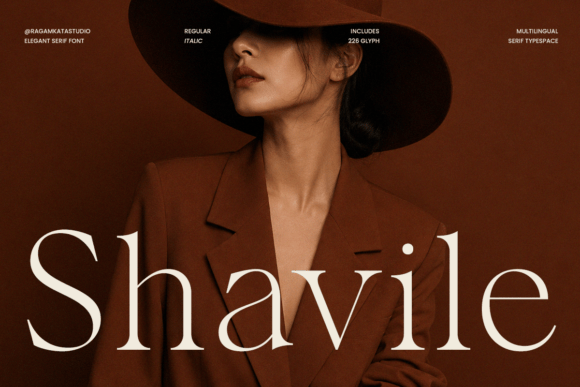
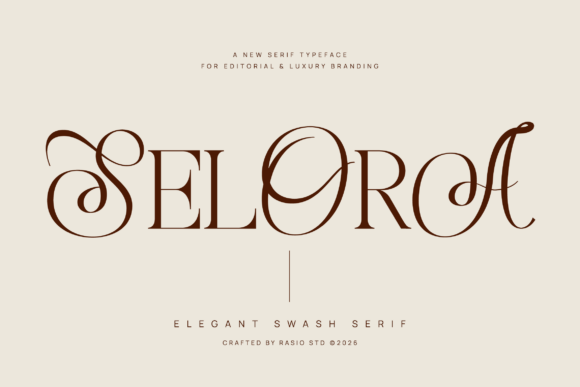
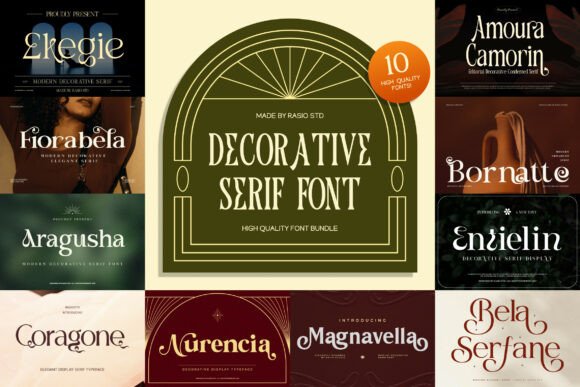
Decorative Serif is part of a broader category known as ornamental serif typefaces. These fonts are characterized by their intricate details, including swashes, flourishes, and decorative accents that add visual interest. Unlike standard serifs, which are primarily functional, decorative serifs are crafted with an emphasis on aesthetics and expressiveness.
Each letterform in Decorative Serif is meticulously designed to reflect classic typography influences. The result is a typeface that feels both timeless and contemporary. This balance between tradition and modernity makes it versatile for a wide range of applications, from vintage-inspired designs to sophisticated layouts.
Why Choose Decorative Serif?
There are several compelling reasons to incorporate Decorative Serif into your design projects. One of its most notable advantages is its ability to convey emotion and personality through typography. The ornamental elements of the font can evoke feelings of elegance, nostalgia, and sophistication, making it ideal for projects that require a strong visual impact.
Additionally, Decorative Serif is highly adaptable. While it may be most effective in display settings such as headlines or titles, it can also be used in body text when paired with complementary sans-serif fonts. This flexibility allows designers to maintain readability while still incorporating a touch of flair.
Use Cases for Decorative Serif
- Branding: Companies looking to establish a brand identity rooted in tradition and craftsmanship often turn to Decorative Serif. It adds a sense of authenticity and heritage to logos, packaging, and promotional materials.
- Editorial Design: In magazines, brochures, and newsletters, Decorative Serif can be used to highlight key sections or create a visually engaging layout. Its ornamental features make it perfect for headlines and pull quotes.
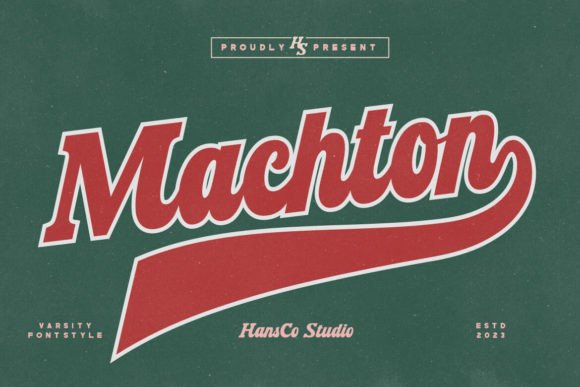
- Artistic Posters: For creative professionals working on posters, billboards, or exhibition graphics, Decorative Serif offers a distinctive visual language. Its expressive letterforms can help tell a story or convey a mood with minimal text.
- Product Packaging: From luxury goods to boutique items, Decorative Serif can elevate the aesthetic appeal of product packaging. It adds a level of sophistication that resonates with discerning consumers.
Key Characteristics of Decorative Serif
Understanding the characteristics of Decorative Serif is essential for using it effectively. Here are some defining traits:
- Swashes and Flourishes: These decorative elements add movement and visual interest to each letter. They are particularly prominent in uppercase characters, making them ideal for headlines and titles.
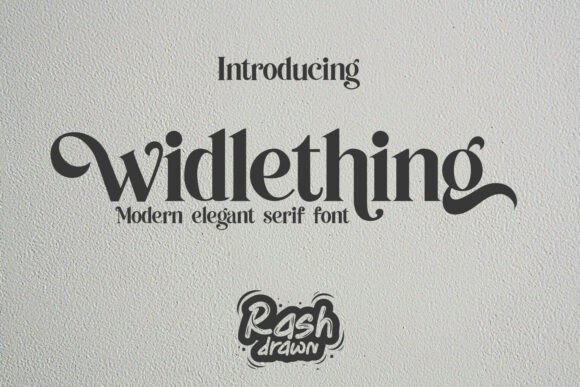
- Curved Accents: The fluid curves and rounded forms contribute to the overall elegance of the font. These features make it well-suited for both digital and print media.
- Expressive Letterforms: Every character in Decorative Serif has a distinct personality. This attention to detail ensures that each word feels unique and intentional.
- Timeless Appeal: Despite its ornamental nature, Decorative Serif maintains a sense of timelessness. This quality allows it to remain relevant across different design eras and contexts.
Considerations When Using Decorative Serif
While Decorative Serif offers many benefits, there are a few considerations to keep in mind:
- Readability: Due to its ornamental features, Decorative Serif may not be suitable for long blocks of body text. It is best reserved for headings, titles, and short phrases.
- Contrast: To ensure legibility, it’s important to pair Decorative Serif with a contrasting sans-serif font for body text. This creates a harmonious balance between style and functionality.
- Font Weight: Choosing the right weight is crucial. Lighter weights may appear delicate and elegant, while heavier weights can convey strength and authority.
- Technical Compatibility: Always check the font’s compatibility with different platforms and software. Some decorative fonts may have limited support in certain applications.
Comparisons with Other Serif Fonts
When evaluating Decorative Serif, it’s helpful to compare it with other popular serif typefaces:
- Times New Roman: A classic serif font known for its readability and versatility. While elegant, it lacks the ornamental flair of Decorative Serif.
- Baskerville: Another traditional serif font with a refined appearance. Like Times New Roman, it prioritizes readability over decorative elements.
- Playfair Display: A modern serif font that combines elegance with a touch of ornamentation. While similar in style to Decorative Serif, it is less ornate and more suited for general use.
- Courier Prime: A monospace serif font that emphasizes structure and formality. It is not as expressive or decorative as Decorative Serif.
These comparisons highlight the unique qualities of Decorative Serif and demonstrate why it is a valuable addition to any designer’s toolkit.
Trends in Decorative Typography
The world of typography is constantly evolving, and decorative serif fonts are no exception. Recent trends show a growing appreciation for typographic storytelling and visual expression. As a result, Decorative Serif has found new relevance in both digital and print media.
Designers are increasingly using decorative typefaces to create immersive experiences. Whether it's a luxury fashion campaign, a vintage-themed website, or an art installation, Decorative Serif offers a way to communicate style and emotion through typography.
Moreover, the rise of minimalist design has led to a renewed interest in bold, expressive typefaces. Decorative Serif fits perfectly into this trend, offering a balance between simplicity and sophistication.
Conclusion
In conclusion, Decorative Serif is more than just a font—it’s a design philosophy. With its ornamental elegance, expressive letterforms, and timeless appeal, it has the power to transform any project. Whether you're creating branding, editorial content, or artistic visuals, Decorative Serif provides a rich typographic palette that feels both refined and dynamic.